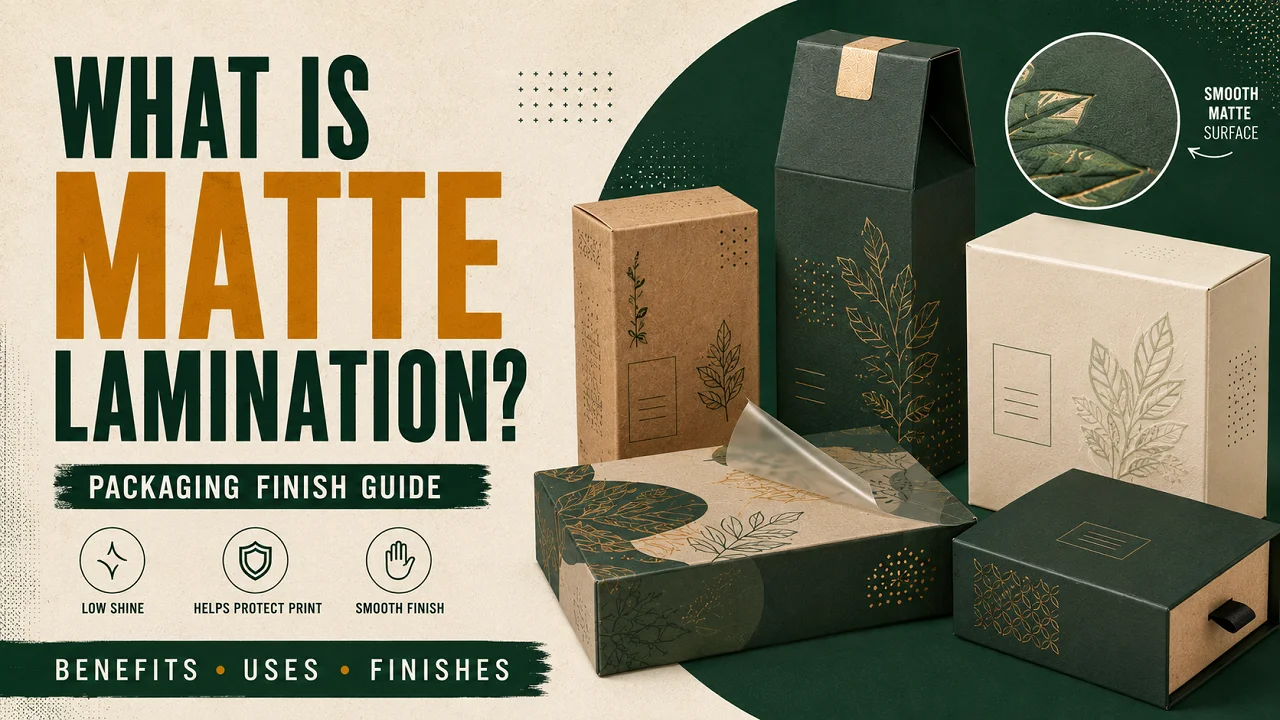
Matte lamination gives packaging a smooth finish with very little shine. It can make printed boxes feel refined while also adding a protective layer to the surface. Yet it will not suit every product or artwork style. This guide explains how matte lamination works and where it can be used. It will also help you decide if it is the right finish for your custom packaging.
Quick answer: Matte lamination is a thin film applied over printed packaging. It creates a smooth surface with minimal shine and helps protect the print against light scratches and moisture from handling. It is often used for cosmetic boxes, gift packaging and retail cartons that need a refined appearance.
What Is Matte Lamination in Packaging?
Matte lamination is a finishing process used after packaging has been printed. A thin matte film is bonded to the printed board with pressure and an adhesive system. This film changes the appearance of the surface and provides an extra layer over the artwork.
The finished surface is smooth but not highly reflective. Light is spread across the film rather than reflected with a strong shine. This creates the subdued look associated with matte packaging.
Matte lamination should not be confused with uncoated board. Uncoated paper has a more natural texture because it does not have a glossy coating. Matte-laminated board has a film over the surface. It usually feels smoother and provides more protection than an untreated paper surface.
How Is Matte Lamination Applied to Boxes?
The packaging artwork is printed before lamination begins. A roll of matte film is then placed over the printed sheet. The film and board pass through specialised equipment that uses controlled heat or pressure to bond the surfaces. The exact method depends on the film and production system.
The laminated sheets are allowed to settle before they move to the next production stage. The design is then cut into the required shape. Crease lines are added so each panel can fold correctly. The box may also receive other finishes before it is glued and packed for delivery.
Production order matters when several finishes are being combined. Foil stamping or spot UV may be applied after lamination depending on the artwork and material. Your packaging supplier can review the design and recommend a suitable production sequence.
What Does Matte-Laminated Packaging Look and Feel Like?
Matte lamination reduces glare and gives printed colours a softer appearance. The result can look calm and polished rather than bright or highly reflective. Text and small design details may also be easier to view under strong retail lighting because the surface produces less glare.
The film creates a smooth feel when the box is held. Standard matte lamination does not normally have the velvety character of soft-touch lamination. It still feels more finished than many untreated board surfaces.
Dark colours can look rich beneath a matte film. However, marks from rubbing or regular handling may be more noticeable on very dark artwork. A physical sample is useful if most of the design uses black, navy or another deep colour.
What Are the Benefits of Matte Lamination?
A Refined Packaging Style
A low-shine finish can give packaging a composed and considered appearance. It works well for brands that want their boxes to feel premium without relying on a bright gloss surface.
The finish is not limited to luxury products. A simple matte carton can also suit natural skincare, handmade goods, technology accessories and modern food packaging. The artwork and box structure will influence the final impression as much as the lamination itself.
Less Glare on the Printed Surface
Glossy packaging can reflect overhead lights. This reflection may make some parts of the artwork harder to see from certain angles. Matte lamination limits this effect. Customers can often view the logo and product information more comfortably under retail lighting.
Added Protection for Printed Artwork
The film creates a barrier over the printed board. It can help protect the surface against minor scuffs and light contact with moisture during normal handling. This may be useful when boxes move through packing areas or retail displays.
Lamination does not make a paperboard box waterproof. It also cannot prevent damage caused by rough transport or poor storage. The box still needs to be kept away from ongoing moisture and unsuitable conditions.
A Useful Base for Special Finishes
Matte lamination can provide an attractive background for selected decorative details. Gloss spot UV can create contrast against the low-shine surface. Foil stamping may be used to highlight a logo or border. Embossing can add a raised detail that customers can see and feel.
These treatments are usually more effective when they have a clear purpose. Covering too much of the design with decorative effects can weaken the balanced look that matte packaging provides.
Are There Any Drawbacks?
Matte lamination is useful but it is not automatically the best option for every project. Consider the artwork and the way the packaging will be handled before choosing it.
- Colours may look softer than they would beneath gloss lamination.
- Deep colours can show rubbing marks more readily on some films.
- The added process can increase the packaging cost.
- The laminated surface may be difficult to write on with some pens.
- A plastic-based film can affect recycling requirements.
Film types and recycling requirements can vary. Ask your supplier which lamination material will be used if environmental performance is important to the project. Also check whether the finished packaging is accepted by the recycling service available in your area.
Matte Lamination vs Gloss Lamination
Matte and gloss lamination both place a protective film over printed packaging. The main difference is how each surface interacts with light.
Gloss lamination has a shiny finish that can make colours appear brighter. It is often used when bold shelf impact is a priority. Matte lamination has less reflection and creates a more understated result.
| Feature |
Matte Lamination |
Gloss Lamination |
| Surface appearance |
Low shine with a subdued look |
Bright and reflective |
| Colour appearance |
Softer and more restrained |
Stronger and more vivid |
| Glare |
Produces less glare |
Reflects more light |
| Handling marks |
Marks may show on dark artwork |
Fingerprints can be more visible |
| Common uses |
Luxury goods, cosmetics and gift boxes |
Food cartons, colourful retail boxes and promotional packaging |
| Overall style |
Calm and refined |
Bright and energetic |
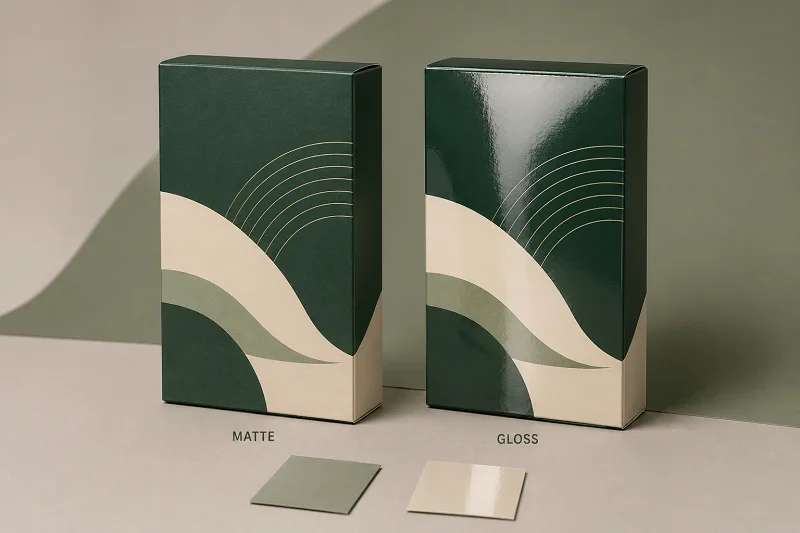
Neither option is better in every situation. A bright confectionery design may gain more impact from gloss. A simple cosmetic box with restrained colours may work better with matte. The choice should support the product and the visual identity of the brand.
Matte Lamination vs Soft-Touch Lamination
Matte and soft-touch lamination can look similar when viewed from a distance. The difference becomes clearer when the box is held.
Standard matte lamination feels smooth and has a low-shine surface. Soft-touch lamination has a more noticeable tactile quality. It is often described as velvety or suede-like. This added sensory element can suit presentation boxes and high-end product ranges.
Soft-touch lamination may cost more than a standard matte film. Some dark soft-touch surfaces can also show marks after frequent handling. A sample can help you compare the feel and appearance before approving a large order.
| Finish |
Appearance |
Feel |
Suitable For |
| Matte lamination |
Low shine |
Smooth |
Retail cartons and branded product boxes |
| Gloss lamination |
High shine |
Slick |
Colourful packaging and promotional boxes |
| Soft-touch lamination |
Soft matte appearance |
Velvety |
Luxury packaging and presentation boxes |
Which Packaging Materials Can Be Matte Laminated?
Matte film can be applied to several printed packaging materials. The quality of the result depends on the board surface and printing method.
Paperboard and Cardstock
Paperboard is widely used for folding cartons. It provides a smooth printable surface and can support clean folds. Matte lamination is commonly added to cosmetic boxes, soap cartons, candle packaging and small retail boxes made from this material.
Kraft Board
Kraft board has a natural brown or white surface. Lamination can change its raw texture and appearance. It may be used when a brand wants the visual character of kraft with a smoother outer layer.
The natural colour of brown kraft can affect printed shades. White ink or a printed white base may be required for some designs. Your supplier should review the artwork before production.
Corrugated Board
Matte-laminated printed sheets can be mounted to corrugated board. This process is often used for mailer boxes and stronger retail packaging. It combines the visual quality of printed paper with the structure of corrugated material.
Rigid Board
Rigid boxes are commonly wrapped with printed paper. That paper may receive matte lamination before it is wrapped around the solid board. This combination is used for gift sets and premium packaging where both structure and presentation matter.
Which Products Suit Matte Packaging?
Matte lamination can be used across many industries. It is especially effective when the design needs a low-shine surface and a clean retail presentation.
- Skincare and cosmetic products
- Soap and candle collections
- Jewellery and fashion accessories
- Tea, chocolate and selected food products
- Electronic accessories
- Gift sets and subscription boxes
- Health and wellness products
- Corporate presentation packs
The product category alone should not determine the finish. Think about the target customer and the retail environment. A playful cosmetic range may need bright gloss packaging. A skincare line built around muted colours may benefit from matte lamination.
How Does Matte Lamination Affect Printed Colours?
Colours often look slightly softer beneath a matte film. This can support artwork that uses neutral shades or an understated palette. It may be less suitable if the design depends on strong brightness and high visual contrast.
Printed colour can also vary according to the board. The same artwork may look different on white paperboard and brown kraft. Lamination adds another surface that can influence the final result.
Always assess colour through a proof or material sample where possible. A screen preview is helpful for checking the layout but it cannot show the precise surface finish. Screens produce light while printed materials reflect it. This difference means an on-screen colour will not always match the finished box.
Can Other Finishes Be Added Over Matte Lamination?
Matte lamination can be combined with other packaging finishes. The right combination can draw attention to important parts of the design without making the box look overworked.
| Finishing Option |
How It Works |
Effect on Matte Packaging |
Common Uses |
| Foil Stamping |
Uses heat and pressure to apply metallic or coloured foil. |
Creates a clear reflective detail against the low-shine surface. |
Logos, borders, product names and small design features. |
| Spot UV |
Applies a glossy coating to selected areas before curing it with ultraviolet light. |
Creates a visible contrast between glossy details and the matte background. |
Logos, patterns, text and selected images. |
| Embossing |
Raises a selected design element above the packaging surface. |
Adds depth and a tactile feature that customers can feel. |
Logos, brand names, symbols and decorative patterns. |
| Debossing |
Presses a selected design element into the packaging surface. |
Creates a recessed detail with a restrained premium appearance. |
Logos, lettering, borders and simple design elements. |
| Window Cut-Outs |
Removes part of a panel to reveal the product inside. A transparent sheet may be added. |
Combines the smooth matte finish with a direct view of the product. |
Food, soap, cosmetics, toys and other retail products. |
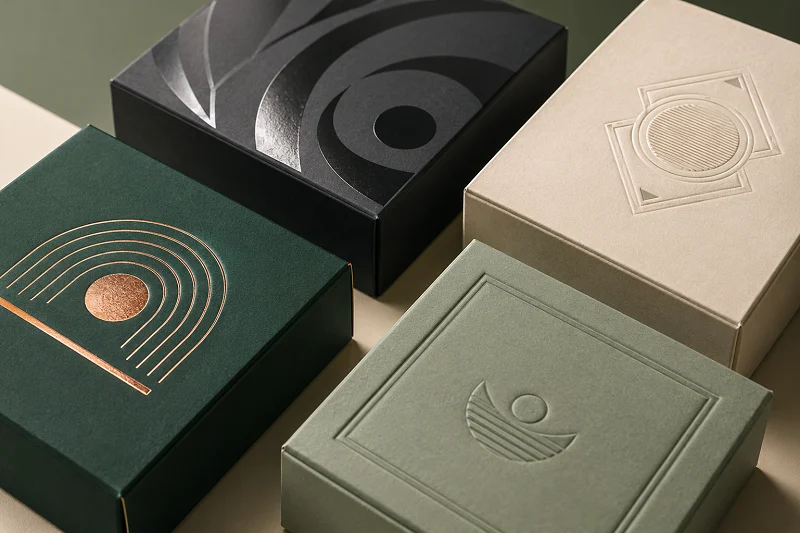
Expert tip: Do not select matte lamination only because it is associated with premium packaging. Start with your artwork and consider how the box will be used. If the design contains large areas of dark colour then request a sample. This lets you check the colour depth and handling marks before approving the full production run.
Finding the Best Lamination Finish for Your Packaging
Start by considering the type of impression your packaging should create. Matte works well for a restrained look. Gloss suits designs that need brightness. Soft-touch can add a more noticeable tactile feature.
Next, review where the packaging will be sold and handled. Boxes displayed beneath strong lighting may benefit from reduced glare. Packaging that passes through busy fulfilment areas may need a finish that performs well during regular handling.
Material selection is also important. The board needs enough strength for the product before any decorative finish is added. Lamination can protect the printed surface but it cannot correct a weak box structure or poor product fit.
Send your supplier the finished product dimensions and packed weight. Include information about inserts or tissue paper. You should also explain how the boxes will be stored and transported. These details help the supplier recommend a practical material and finish.
Is Matte Lamination Worth the Added Cost?
Matte lamination can be worth considering when surface appearance and print protection are important. It may help a retail box feel more complete while reducing glare across the artwork.
It is less useful when it has been added without a clear reason. A well-designed uncoated carton can look more suitable for a natural product. A glossy finish may be the better choice for artwork that depends on bright colours.
Look at the packaging as a complete system. The material and box style should protect the product. The printing should communicate the brand clearly. The finish should support those decisions rather than replace them.
Give Your Packaging a Smooth Matte Finish
Matte lamination can give custom boxes a smooth surface and a refined low-shine appearance. It can also protect printed artwork from minor rubbing during ordinary handling. The best result comes from matching the finish with the right board and box structure.
Fine Packaging can help you compare matte lamination with gloss and soft-touch options for your custom packaging. Share your box dimensions and artwork requirements to receive free quotes. We offer free shipping on eligible custom packaging orders across Australia. Email support@finepackaging.com.au to discuss your project with Fine Packaging.
Frequently Asked Questions
Does matte lamination make packaging waterproof?
No. Matte lamination can give the printed surface some resistance to light moisture from handling. It does not make a paperboard or corrugated box waterproof. Ongoing contact with water can still damage the packaging.
Can matte lamination be used on cardboard boxes?
Yes. It can be applied to printed paperboard or cardstock. A laminated printed sheet can also be mounted onto corrugated cardboard. The suitable method depends on the box structure and required strength.
Does matte lamination protect printed ink?
Matte film adds a layer over the printed surface. It can reduce minor scratching and rubbing during normal use. The level of protection will depend on the film and the way the boxes are stored or handled.
Is matte lamination the same as a matte coating?
No. Lamination places a thin film over the printed sheet. A matte coating is a liquid finish applied to the surface and cured during production. Both can reduce shine but they may differ in feel and durability.
Can foil stamping be added to a matte-laminated box?
Yes. Foil can be added to selected parts of a matte-laminated design. The artwork and production method must be planned correctly so the foil bonds to the intended area.
Is matte lamination recyclable in Australia?
Recyclability depends on the board and the type of film used. It can also depend on the rules of the local recycling service. Ask your packaging supplier about the exact material if recycling is a major requirement for your project.
Is matte or gloss lamination better?
The better option depends on the desired result. Matte creates a low-shine and restrained appearance. Gloss produces a brighter surface and can make colours appear more vivid. Choose the finish that supports your artwork and product positioning.
Can I see a sample before ordering matte-laminated boxes?
Sample availability depends on the project and supplier. You may be able to review a previous material sample or request a custom prototype. A sample is especially useful for dark artwork and packaging with several special finishes.