Put Your Brand in the Weekly Shop
A shopping bag often travels further than the product bought inside it. Customers may carry it to work, the market or another shop before storing it at home. A clear logo can keep your business visible during those everyday trips. Custom reusable shopping bags can suit retailers, food businesses, fashion stores, charities and community groups that want a useful branded item.
Made for Groceries Markets and Retail Counters
Different businesses place different demands on a bag. A grocery buyer may need a broad base for tins and bottles. A clothing shop may prefer a taller shape for folded garments. Market sellers may need a lighter bag that can be packed quickly. For events and giveaways a handy bag can be easy for people to store in the boot or take to work.
What Are Reusable Green Shopping Bags?
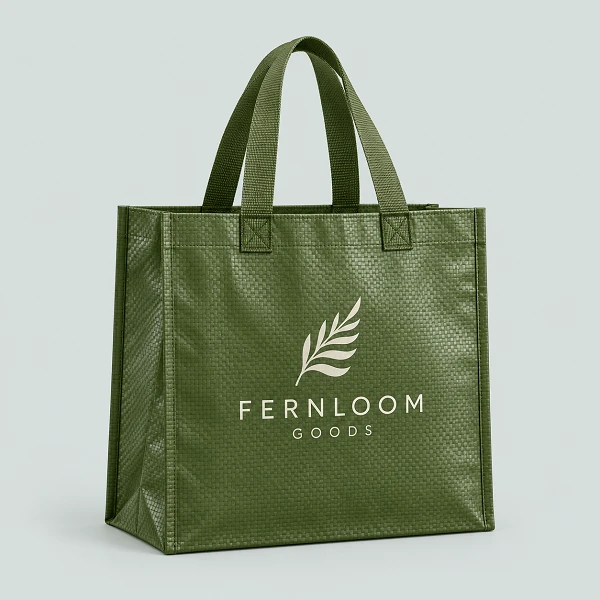
Reusable green shopping bags are carriers made for repeated shopping trips rather than one brief use. The word green may describe the bag colour or its environmental positioning. A green bag is not automatically recycled or biodegradable. The real claim depends on the fibre or plastic used in its construction. Ask for clear material information before printing environmental wording on the bag.
Material Choices for Your Shopping Bags
The right material depends on the products being carried plus the number of trips you expect from each bag. Fine Packaging can discuss practical options for branded retail packaging and promotional use. Consider the packed weight along with the way the bag will be stored and handled.
Non-Woven Polypropylene Bags
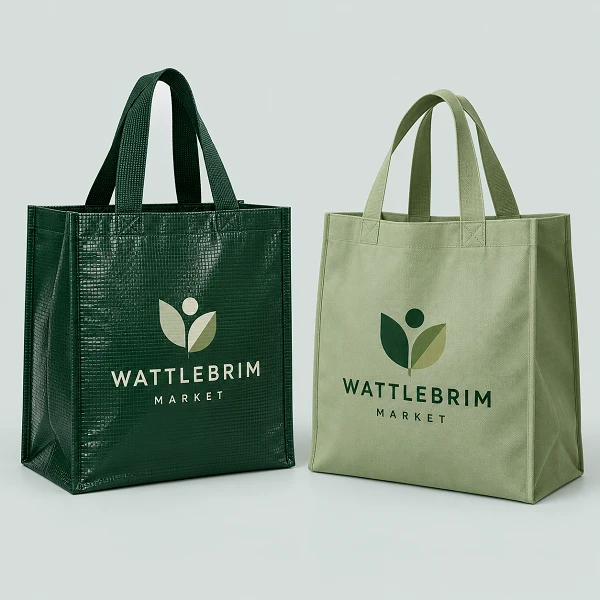
Non-woven shopping bags are made from pressed polypropylene fibres. The surface feels light and slightly textured. This material suits many promotional bags and everyday retail carriers. It can be produced in different colours and may be folded for storage between uses.
Non-woven bags are useful when you need a cost-conscious option for an event or retail campaign. The final construction should still match the expected load. Reinforced handles and a suitable base can help the bag carry products with greater confidence. Ask for the proposed fabric weight before comparing quotes between suppliers.
Woven Polypropylene Bags
Woven polypropylene shopping bags use interlaced plastic strips to create a stronger structured surface. They are commonly selected for grocery shopping and larger retail loads. The woven pattern gives the bag a distinct look while supporting a more durable feel.
These bags can include a gusset that gives extra room at the base and sides. A wider base may help keep bottles and boxed products upright. The handle attachment also matters. A strong fabric body can still perform poorly if the handles are not fixed for the intended weight.
Recycled PET Shopping Bags
Recycled PET shopping bags use material made from recovered plastic such as used drink bottles. They can provide a smooth surface for selected print applications. Their recycled content should be confirmed by the supplier before it appears in your marketing copy.
Use precise wording when discussing recycled content. Ask whether the material is post-consumer or post-industrial and whether the percentage applies to the full bag. This gives customers a clearer idea of what they are buying and leaves your team with useful details for the next order.
Cotton and Canvas Options
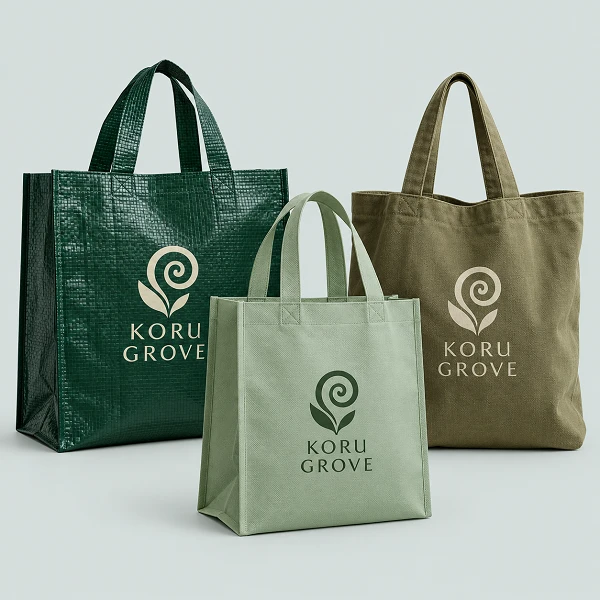
Cotton and canvas bags provide a fabric alternative for shops that want a softer hand feel. They can suit markets and lifestyle brands where customers may use the bag beyond the original purchase. Heavier fabric carriers can be produced with different fabric weights and handle styles to match the products being carried and the way customers will use the bag.
A fabric bag may need different care from a polypropylene carrier. Check whether the finished bag can be washed and whether the print method is suitable for repeated cleaning. The intended care instructions should be shared with your customer when the bag is sold as a long-term item.
Find the Right Size for Your Usual Load
Start with the products rather than an attractive bag dimension. Measure the packed items together and allow room for easy loading. Record the width then the gusset and finally the height. A bag that is too narrow may force products into an awkward stack. A bag that is too deep may be difficult to carry when only partly filled.
| Bag format |
Example dimensions |
Typical use |
Fit to check |
| Small flat shopper |
260 × 100 × 320 mm |
Small gifts and light retail items |
Product width and handle reach |
| Medium gusset bag |
320 × 120 × 400 mm |
Groceries and boxed goods |
Base room for jars and cartons |
| Large market shopper |
400 × 160 × 450 mm |
Bulk shopping and larger retail packs |
Loaded weight and shoulder clearance |
| Tall retail carrier |
350 × 120 × 500 mm |
Clothing and tall packaged goods |
Item height and opening width |
Note: These dimensions are examples for planning. Your final size should follow your product measurements and the selected material. Include the packed weight when asking for a recommendation. A bag for light clothing may need a different construction from one carrying bottles or jars.
Handles and Gussets That Suit the Job
Handle length affects how the bag feels when carried. Short handles may work for hand carry at a counter. Longer handles can allow shoulder carry when the bag is loaded. The attachment point should be planned with the bag material and expected weight in mind.
A gusset adds depth to the bag and creates more usable space. It may be placed at the sides or along the base. A reinforced base can help spread the load across the bottom panel. Tell us whether customers will carry the bag by hand or over the shoulder so the construction can be assessed properly.
Turn Everyday Carry Bags Into Brand Space
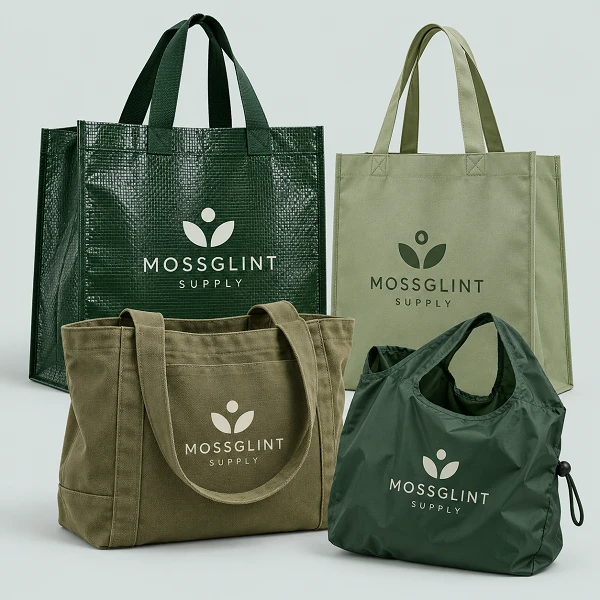
Printed reusable shopping bags can show your brand name while leaving room for a short message or simple design. You may add a short message, website address or campaign line. Keep the main mark clear enough to read from a normal walking distance. A small design can often work better than filling every panel with text.
Set the artwork around the usable panels and keep clear of the handles and seams. Folds can cut through a logo or break up small details. We can check the layout and explain how the material may change the colour result. Let us know whether both sides need matching artwork or separate designs.
| Printing method |
Suitable material |
Appearance |
Planning consideration |
| Screen printing |
Cotton and non-woven fabric |
Solid and clean colour areas |
Best for simple artwork and limited colours |
| Transfer printing |
Selected fabric and synthetic bags |
Detailed marks and stronger colour control |
Confirm the surface and wash expectations |
| Full surface printing |
Selected polypropylene constructions |
Wide coverage across the bag |
Allow for seams and gusset alignment |
| Embroidery |
Cotton and canvas |
Raised stitched detail |
Works best for bold logos with open shapes |
Green Colour and Environmental Claims
Green is a popular colour for food shops and sustainability-focused businesses. It can be matched to your existing brand palette or used as a strong accent against a neutral print. A green colour alone cannot confirm that a bag uses recycled material or can break down after disposal.
When making an environmental statement ask for supporting information. Confirm the material type plus any recycled percentage and the available end-of-life guidance. Avoid broad phrases that could give customers the wrong impression. Fine Packaging can help you describe the selected material in a clear way for your artwork.
A reusable bag may reduce the need for extra carriers when customers keep using it. Its practical value depends on strength and regular use. Choose a construction that can handle the expected trips rather than selecting a bag only because it looks sustainable.
Bulk Orders Without the Guesswork
Fine Packaging offers a minimum order quantity of 100 reusable shopping bags. The final price can vary according to the selected material, bag size, handle style and printing requirements.
Wholesale orders can reduce the unit price when the size and artwork remain consistent. Fine Packaging can discuss reusable shopping bags in bulk for retail launches, events and repeat campaigns. The minimum order is 100 bags per size and design.
Share a realistic estimate of your first order and likely repeat quantities. A business may need a smaller run for a new product before moving to a larger seasonal order. Comparing the total quantity with storage space and sales rate can help avoid ordering more bags than you can use.
If the design will remain the same for future runs keep the approved artwork and dimensions on file. This can make repeat enquiries easier to manage. Any changes to the material or size should be reviewed because they may affect the print layout and final cost.
From Bag Measurements to Artwork Approval
To begin an enquiry send the product dimensions plus the packed weight. Include the preferred bag material and whether the bag needs a gusset. Tell us how the bag will be carried and whether it must fit a shelf display or storage cupboard.
Artwork can include your logo and the information you want customers to see. We will check the design against the planned panels and handle positions. A digital proof helps you review colour placement and wording before manufacture. Sample options may also be available when you need to assess the size or construction by hand.
Include your postcode and preferred delivery date when you ask for a quote. This allows the shipping plan to be considered with the production schedule. If you have used a previous bag share its dimensions and any handling issue you want improved.
Caring for Your Reusable Shopping Bags
Care depends on the selected material and print method. A polypropylene bag can usually be wiped with a damp cloth and left open to dry. Do not store it while wet because trapped moisture may create an unpleasant smell.
Fabric bags may have different washing instructions. Check the supplier guidance before placing a cotton or canvas bag in a washing machine. Strong heat can affect the fabric shape or printed area. Empty the bag after each trip and inspect the handles when it has carried a heavy load.
Keep the bags somewhere dry and away from anything that could catch or tear the material. Folding them neatly can make it easier for staff or customers to remember them. A small stock of bags near the checkout can support repeat use and reduce the need for extra carriers.
Let Your Next Shopping Bag Carry Your Name
Fine Packaging can help you plan branded reusable shopping bags for groceries, retail sales, markets and promotional campaigns. Tell us your preferred material plus size and print requirements and we will prepare suitable options. Request free quotes with free shipping details for your delivery address. Email support@finepackaging.com.au for practical packaging support.