A Better Fit for Your Eggs and Your Brand
Good egg packaging needs to keep each egg secure from the farm to the customer. It needs to hold eggs securely while making key product details easy to see. A carton can also help customers recognise your farm or product when they are choosing between options at a market, farm shop or retail store.
Fine Packaging supplies custom egg cartons for businesses that want to bring product protection and brand presentation together. The right format depends on your eggs, how many you pack and the way the cartons move from your business to your customers.
What are Custom Egg Cartons? They are cartons or boxes selected and branded to suit a particular egg product and business. Depending on the chosen format, branding may be printed directly onto the carton or applied as a label. Options can include moulded-pulp egg cartons, paperboard egg boxes and standard cartons finished with custom artwork. The best choice depends on the product specifications and available production options.
Choose Your Egg Carton Type
Different carton styles suit different products and selling needs. Consider the level of protection required, the appearance you want and how the eggs will be displayed or transported. If you are comparing egg packaging cartons, check that the format suits your eggs and your packing process.
Moulded-Pulp Egg Cartons
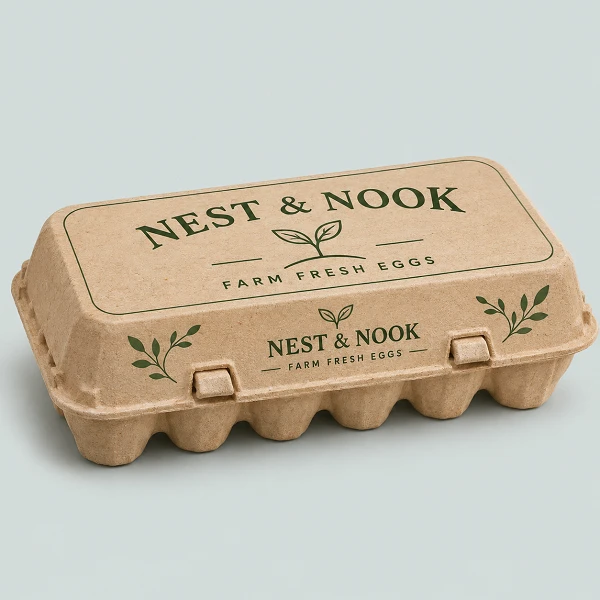
Moulded-pulp egg cartons are formed from fibre into individual egg spaces. The shaped pockets help keep eggs separated while the lid closes over them. This familiar style is widely associated with farm-fresh eggs and can suit producers who want a practical carton with a natural-looking surface.
Branding options depend on the carton and print service selected. Some pulp cartons can be printed directly. Others may be paired with a label. Before choosing one, check the carton capacity, egg fit and available branding method. These details affect how the finished pack looks and works for your business.
Paperboard Egg Boxes
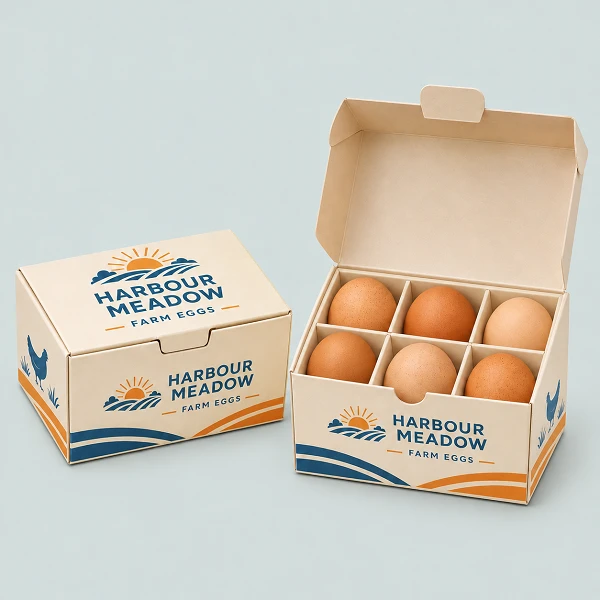
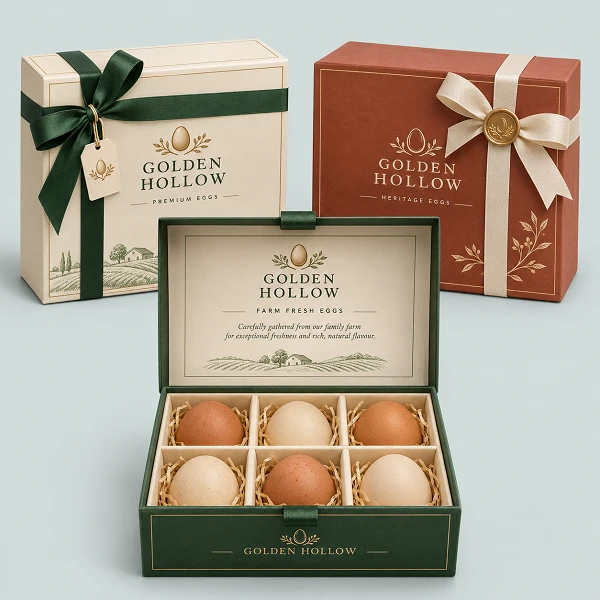
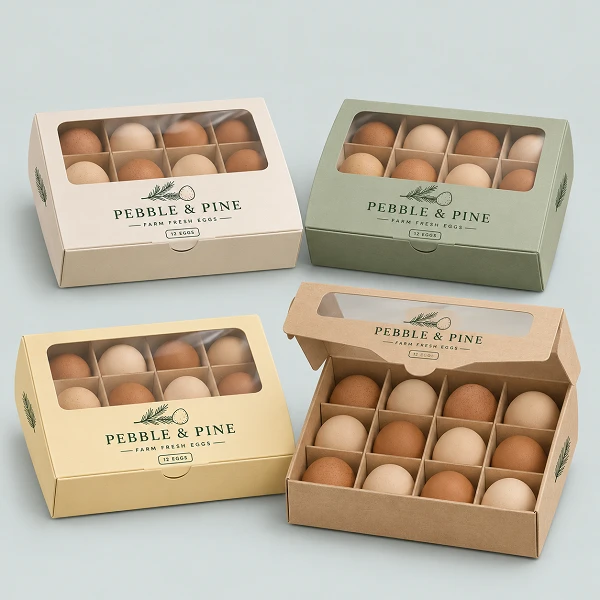
Paperboard egg boxes use folded board to create a structured pack. They can offer a smooth surface for product information and brand artwork. This format may suit businesses seeking a more designed presentation for retail shelves, local markets or gift packs.
Paperboard boxes need to be planned around the shape and size of the eggs. The internal layout should keep each egg in place and reduce movement during handling. Ask our team which board and box style will suit your eggs best. The finished design should be practical to assemble and easy for customers to open.
Standard Cartons with Custom Printing or Labels
A standard carton can be a straightforward way to present your eggs with your own branding. Depending on the carton and supplier options, artwork may be printed on the carton or supplied as custom egg carton labels. Labels can provide space for a logo, product name and other relevant details.
Check the label size and placement before preparing artwork. The design needs to fit the carton’s surface and remain clear when applied. If your product information changes between varieties, separate label designs may help customers tell them apart. Confirm printing and labelling options before finalising your artwork.
Custom Egg Carton Sizes and Capacities
We can make custom egg cartons to suit your required size and pack count. The formats below show examples commonly offered by Australian suppliers. Final dimensions depend on the carton style, material and egg size.
| Carton format |
Typical capacity |
Indicative external size |
Suitable for |
| Half-dozen carton |
6 eggs |
Varies by carton style |
Small retail packs and farm-gate sales |
| Dozen carton |
12 eggs |
Around 296 × 107 × 68 mm for one standard pulp example |
Retail, markets and farm shops |
| Large retail carton |
18 or 20 eggs |
Confirm to suit the selected carton design |
Larger household packs and retail ranges |
| Bulk egg tray |
20 or 30 eggs |
Varies by tray format |
Catering, wholesale and transport |
| Custom format |
Made to the agreed layout |
Quoted to your product requirements |
Distinctive pack counts or specific egg sizes |
Note: Dimensions shown for stocked cartons are examples only and can vary by supplier, material and design. Send us your egg measurements and preferred pack count so we can discuss a suitable size.
Carton capacity is usually described by the number of eggs it holds. Common formats include half-dozen and dozen packs, while larger trays may suit catering or wholesale use. Availability varies by carton type and supplier. Confirm the exact options before selecting a style for your range.
Egg size matters as much as egg count. A carton should hold each egg securely without putting pressure on the shell. Check the egg grade or size range the carton is designed to fit. If you pack different sizes, they may need separate cartons or a different internal layout.
Share the egg dimensions and the way you pack them when requesting a quote. If you already use a carton that fits well, its measurements or a sample can help guide the discussion. The internal shape and pocket size affect how the eggs sit, so external measurements alone may not be enough.
These details make it easier to compare egg boxes for retail, market or bulk supply.
Custom Printing and Label Options
Branding can help customers identify your eggs and find important product details. Depending on the selected carton, you may be able to use direct printing, a printed label or a combination of both. Ask which option is available for the carton material and quantity you need.
Artwork can include your business name, logo, product range and contact details. You may also need room for required product information. Keep the design legible and avoid placing important details across folds or closures. A clear layout will be easier to read on a small pack.
For custom printed egg cartons, confirm the print area, colour process and artwork file requirements before production. If you are using labels, check how they will sit on the lid and sides. A proof can help you review the layout and spelling before the order is approved. Check your label content against current Australian requirements before printing.
How to Choose the Right Carton
Start with the eggs you sell and the way customers buy them. A farm-gate sale may have different needs from a supermarket order or a market stall. Think about protection, presentation, packing speed and how the cartons will be stored before use.
ul style="list-style-type: disc; padding-left: 20px; margin-left: 20px;">
- Check Egg Fit: Share egg size details and confirm that the pockets hold them securely.
- Choose the Capacity: Decide how many eggs each pack should hold and whether you need more than one format.
- Compare Materials: Review pulp and paperboard options based on carton construction and the finish you want.
- Plan Your Branding: Decide whether direct printing or labels best suit the carton and your artwork.
- Consider Your Order Volume: Ask about minimum quantities and pricing for bulk custom egg cartons.
- Check Handling Needs: Consider how cartons will be packed, stacked, transported and displayed.
If you are unsure which style to choose, send through your product details and intended use. A packaging team can help you compare available options and identify any specifications that need checking before you place an order.
Who Uses Custom Egg Cartons?
Custom egg packaging can suit poultry farms, independent egg producers, farm shops, market sellers and retailers. It can also work for businesses supplying eggs to cafés, restaurants or local food stores. The right format depends on the volume you pack and the way your customers receive the eggs.
For producers selling under their own name, branded egg cartons can help create a consistent look across different sales channels. A farm logo and clear product details can make the pack easier to recognise. If you sell several varieties, a considered label or colour system can help distinguish them.
Businesses looking for wholesale egg cartons should confirm carton availability, order quantities and delivery arrangements before committing. These details may vary between moulded-pulp cartons, paperboard boxes and standard cartons with labels.
What to Send When Requesting a Quote
To help Fine Packaging assess your requirements, include the carton type you are considering, egg capacity, egg size and estimated order quantity. You can also share where the cartons will be sold and whether you need direct printing or labels.
If you have artwork ready, mention its format and include any relevant carton or label dimensions. If you are still planning the design, explain what information and branding you want to include. Clear details help the team check which options may suit your order.
Before proceeding, confirm the available carton material, print or label method, minimum order, production timing and delivery details. These can depend on the product and order specifications. Fine Packaging can then provide a quote based on the information available.
The minimum order is 50 cartons per size and design.
Get Your Egg Carton Plans Underway
Ready to discuss custom egg cartons for your business? Contact Fine Packaging at support@finepackaging.com.au with your carton requirements. Our team can help you review suitable options, request a free quote and arrange free shipping across Australia.